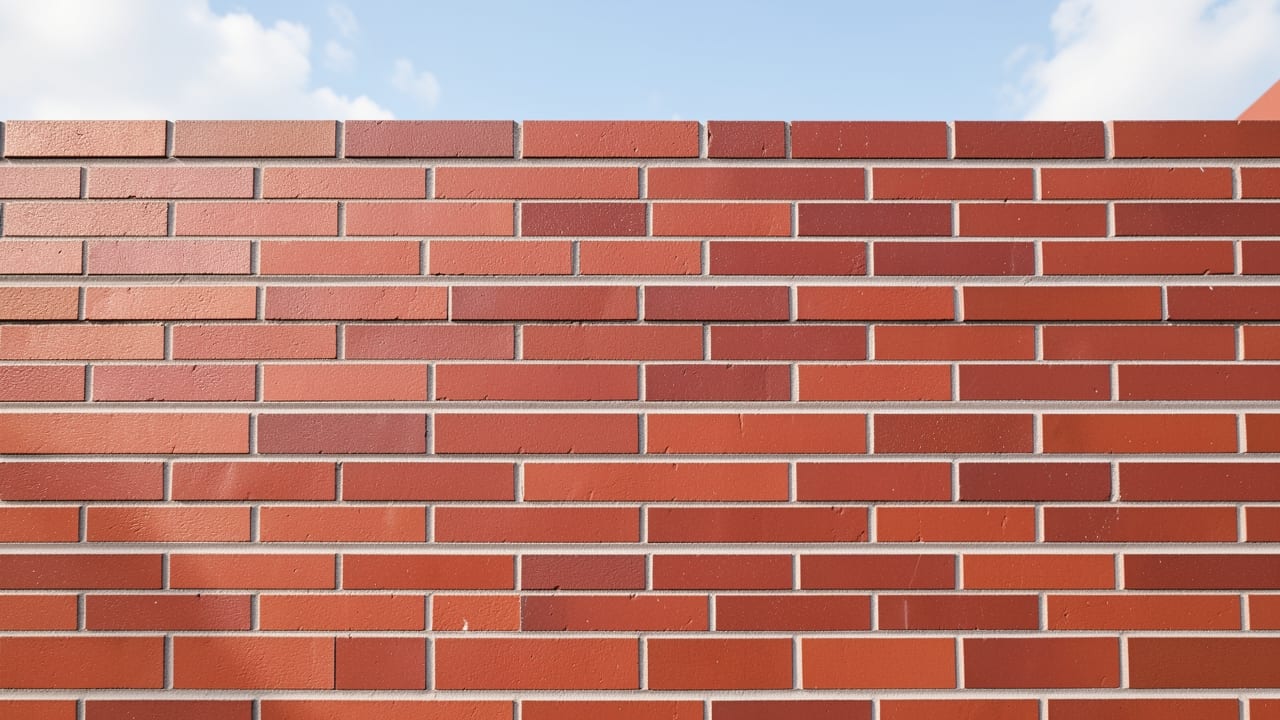
Brick Masonry Mold Treatment
Professional mold treatment and removal from brick masonry to restore structural integrity and indoor air quality.
Brick masonry mold treatment in Weddington, NC, addresses mold growth on brick surfaces—both exterior and interior—that can degrade appearance and structural integrity. Caused by moisture exposure or poor ventilation, this service involves containment, removal, drying, and testing to prevent recurrence.
Proper treatment helps protect your home’s brickwork and indoor air quality.
We also handle Pet Urine Mold Treatment and Salt Air Mold Remediation for Weddington properties.
When to consider brick masonry mold treatment
Mold on brickwork often starts small but can spread quickly if left unchecked. Visible signs include dark spots, discoloration, or a musty odor near brick surfaces. If mold covers more than a small patch or keeps returning after cleaning, professional treatment is recommended to prevent deeper damage.
Moisture sources like leaks, condensation, or poor drainage near brickwork create ideal conditions for mold. Without fixing these issues, mold will likely return. Rooms with poor airflow, such as basements or windowless bathrooms, are especially prone to persistent dampness and mold growth.
Signs Professional Treatment Is Needed
- Mold covers more than 25 contiguous square feet on brick surfaces (a common threshold for professional work).
- Mold returns within weeks of cleaning, indicating an unresolved moisture source.
- A musty smell persists even after visible mold is removed, suggesting hidden growth.
- Brickwork feels damp or shows signs of erosion, like crumbling mortar or efflorescence (white, chalky deposits).
What affects cost and timeline?
The cost of brick masonry mold treatment depends on the size of the affected area, the severity of the mold, and whether hidden moisture sources need addressing. Surface-level mold on brickwork typically costs more than deep-seated growth requiring structural repairs.
Timelines vary based on containment setup, drying requirements, and clearance testing. Jobs with extensive mold or large areas may take days to complete, while smaller patches can be addressed in a single visit.
Why containment and testing matter
Containment prevents mold spores from spreading to unaffected areas during removal. Plastic sheeting and negative-air machines seal the work zone, while HEPA-filtered equipment captures spores instead of recirculating them. Skipping these steps risks contaminating other parts of your home.
Clearance testing after remediation confirms mold levels are back to normal. Independent testing ensures the job is thorough and reduces the chance of recurrence. Without it, hidden mold may persist or regrow.
Using standard shop vacuums or non-HEPA air scrubbers spreads spores instead of capturing them. Removing mold without fixing leaks or grading issues ensures the problem will return. Always verify containment and clearance testing are included in the service.
How brick masonry mold treatment works
- 1Containment Setup
Plastic sheeting and negative-air machines isolate the work area to prevent spores from spreading to other parts of your home.
- 2Mold Removal
Porous materials like drywall or insulation are removed and bagged, while non-porous surfaces like brick are scrubbed and treated to eliminate mold.
- 3Structural Drying
Industrial dehumidifiers and air movers dry framing and subfloors to prevent mold regrowth, ensuring moisture levels return to normal.
- 4HEPA Cleanup
HEPA-filtered vacuums and air scrubbers capture remaining spores, and surfaces are sanitized to reduce the risk of recurrence.
- 5Clearance Testing
An independent lab tests air or surfaces to confirm mold levels are back to safe ranges before containment is removed.
Frequently asked questions
How do I know if mold on my brickwork is serious enough for professional treatment?
If mold covers more than 25 square feet, keeps returning after cleaning, or you notice a musty smell with no visible source, professional treatment is recommended. Brickwork showing erosion or dampness also signals deeper issues that require expert care.
Will treating mold on brickwork fix the problem permanently?
Treatment removes existing mold and reduces recurrence risk, but results depend on fixing moisture sources like leaks or poor ventilation. Without addressing these, mold may return within months.
Do I need to leave my home during the remediation process?
You may need to vacate the affected area temporarily, especially if containment is extensive. The crew will advise you on safe zones and when it’s safe to re-enter.
How long does the entire process take from start to finish?
Smaller jobs may wrap up in a day, while larger or deeply affected areas can take several days, including drying and testing. The timeline depends on mold severity and moisture conditions.
Where Weddington sits, and what the Census lists nearby
Weddington sits in North Carolina, and the closest places listed in the U.S. Census Gazetteer are Wesley Chapel (2.6 miles southeast), Marvin (4.9 miles west), Indian Trail (5.7 miles northeast), Waxhaw (5.9 miles south). Within 25 miles of Weddington the same source lists 43 distinct incorporated places and census-designated places.
Those figures matter for brick masonry mold treatment because they are straight-line distances between Census coordinate points: road mileage between Weddington and Wesley Chapel runs longer than the 2.6 miles shown, which is why quotes for the same job differ between towns that look close together on a map.
Source: U.S. Census Bureau Gazetteer.
See Locust, NC for more, or discover our complete Weddington service list at a glance for our complete lineup.
Ready to get started?
Talk to a local mold remediation pro in Weddington — get a written quote.
Other Mold Remediation Services in Weddington
Pet Urine Mold Treatment in Weddington, NC
Professional removal of mold caused by pet urine in homes, including assessment and treatment.
Learn More
Salt Air Mold Remediation in Weddington, NC
Professional mold assessment, containment, removal, and prevention in affected areas of the home.
Learn More
Spring Mold Inspection in Weddington, NC
Professional assessment and identification of mold growth in homes.
Learn More
Move-In Mold Assessment in Weddington, NC
Professional inspection and assessment of mold presence before moving into a property.
Learn More
Pre-Sale Mold Clearance in Weddington, NC
Pre-sale mold clearance involves inspection and testing to confirm a property is mold-free before purchase.
Learn More
Post-Remediation Sealing in Weddington, NC
Applying protective sealants to surfaces after mold remediation to prevent future growth.
Learn MoreCommon Questions About Mold Remediation in Weddington
Everything you need to know about mold remediation services in Weddington
How much does Brick Masonry Mold Treatment typically cost in Weddington, NC?
Why does Weddington, NC's humidity make mold a bigger risk than in drier regions?
What's the actual difference between mold removal and mold remediation?
Is a final clearance test part of a typical mold remediation job?
How does mold remediation actually prevent the problem from coming back?
Can mold growing inside HVAC ductwork spread to the rest of a home?
Need Mold Remediation in Weddington?
Connect with local providers in Weddington for a detailed quote.
⏰ We answer your call • Serving all of Weddington and surrounding areas