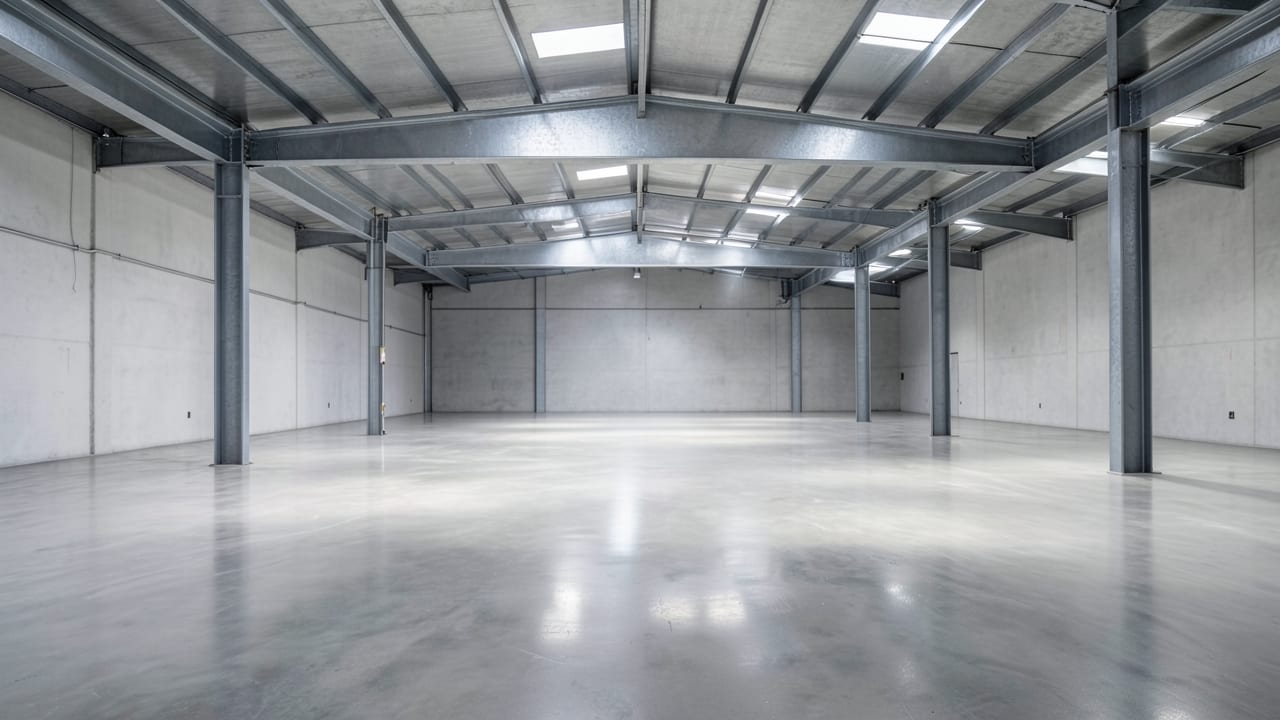
Warehouse Mold Cleanup
Professional removal of mold from warehouse spaces to restore safe, clean conditions.
Mold in Weddington warehouses or storage spaces often requires professional remediation to prevent health risks and structural damage. Unlike household mold, warehouse cleanup involves specialized containment, air filtration, and material removal to stop spores from spreading.
Understanding the process and signs of a serious problem helps homeowners decide when to call for help rather than attempting a DIY fix.
We also handle Brick Masonry Mold Treatment and Stairwell Mold Remediation for Weddington properties.
When to call for help
Mold in a warehouse or storage space often signals a deeper issue, especially if it covers more than a small patch. North Carolina’s typical threshold for professional intervention is 25 contiguous square feet, where spores become airborne and spread quickly.
Recurring mold in the same spot after cleaning usually means the moisture source—like a leak or poor ventilation—was never addressed.
A musty smell with no visible mold often points to hidden growth behind walls, under flooring, or inside ductwork. If the odor worsens when the HVAC runs, spores may be circulating through the entire property.
Without containment and HEPA filtration, cleaning can push spores deeper into the structure, turning a small job into a larger one.
Signs You Need Professional Mold Removal
- Mold covers more than 25 square feet in one area (NC’s typical threshold for DIY vs. professional work).
- The same spot keeps growing mold after cleaning, suggesting the moisture source isn’t fixed.
- You smell mustiness with no visible mold, or the smell gets stronger when the HVAC turns on.
- The mold is in a hard-to-reach area (inside walls, under flooring, or in ductwork).
- You or household members experience respiratory symptoms (coughing, sneezing, or irritation) near the affected area.
What affects cost and timeline
Warehouse mold cleanup in Weddington is priced per project, not by a flat rate, because each space has unique challenges. Containment, air filtration, and material removal drive costs higher than residential work.
For example, a single storage unit may require three times the per-square-foot rate of a home, and stricter containment (like sealing off HVAC returns) adds labor time.
The biggest cost factors are the size of the affected area, whether the property can stay open during work, and whether hidden mold is found once walls or flooring are opened. Change orders for unexpected damage—like mold behind drywall—are common if the initial inspection missed the full scope.
What happens after cleanup?
Removing mold doesn’t stop it from returning if the moisture source isn’t fixed. After cleanup, check humidity in the affected area regularly for the first year—stagnant air or lingering dampness lets mold regrow.
Rooms that stay damp (like windowless storage or basements) may need a small fan or dehumidifier to prevent recurrence.
Outdoor issues—like soil sloping toward the foundation or downspouts dumping near walls—can feed moisture back inside. Fixing these problems after remediation is critical, even if they’re not obvious. Without addressing the root cause, the same mold often reappears within months.
Skipping clearance testing leaves no proof the job was fully effective. Paying upfront without a written scope of work can lead to hidden charges. Ignoring the moisture source (like a leak or poor ventilation) means the mold will likely return.
How warehouse mold cleanup works
Professional remediation follows strict steps to contain spores and prevent spread.
- 1Containment Setup
Plastic sheeting and negative-air machines seal off the work area to trap spores. This stops them from drifting into other parts of the property during removal.
- 2Material Removal or Cleaning
Porous materials (like drywall or carpet padding) that absorb mold are cut out and bagged. Non-porous surfaces (framing, tile) are scrubbed and treated instead of discarded.
- 3HEPA Filtration and Drying
HEPA air scrubbers run continuously to capture airborne spores, and industrial dehumidifiers dry framing and subfloors to prevent regrowth.
- 4Clearance Testing
An independent lab tests air or surfaces after cleanup to confirm spore counts are back to normal before containment is removed.
- 5Moisture Source Fix
The underlying issue (leaks, condensation, or poor airflow) is addressed to stop future mold. This step is critical for long-term results.
Frequently asked questions
Can I clean small mold patches myself, or should I call a professional?
If the mold covers less than 25 square feet and isn’t recurring, you may handle it with gloves, a mask, and a HEPA vacuum. For larger areas or hidden growth, professional containment and HEPA filtration are needed to prevent spores from spreading.
How do I know if the mold is still there after cleanup?
A musty smell, visible regrowth, or respiratory symptoms in the area are red flags. Independent clearance testing after remediation provides objective confirmation that spore levels are back to normal.
Will my insurance cover warehouse mold cleanup?
Check your policy—some insurers cover sudden water damage (like a burst pipe) that leads to mold, but gradual issues (like chronic humidity) may not. Document the moisture source and any prior leaks to strengthen your claim.
How long does it take to fully remediate a warehouse mold problem?
Timelines vary based on size and complexity, but containment, removal, and drying can take 3–7 days for a typical storage space. Hidden mold or structural damage may extend the process.
Where Weddington sits, and what the Census lists nearby
Weddington sits in North Carolina, and the closest places listed in the U.S. Census Gazetteer are Wesley Chapel (2.6 miles southeast), Marvin (4.9 miles west), Indian Trail (5.7 miles northeast), Waxhaw (5.9 miles south). Within 25 miles of Weddington the same source lists 43 distinct incorporated places and census-designated places.
Those figures matter for warehouse mold cleanup because they are straight-line distances between Census coordinate points: road mileage between Weddington and Wesley Chapel runs longer than the 2.6 miles shown, which is why quotes for the same job differ between towns that look close together on a map.
Source: U.S. Census Bureau Gazetteer.
See Stanfield, NC for more, or find out about every option available in Weddington for our complete lineup.
Ready to get started?
Talk to a local mold remediation pro in Weddington — get a written quote.
Other Mold Remediation Services in Weddington

Brick Masonry Mold Treatment in Weddington, NC
Professional mold treatment and removal from brick masonry to restore structural integrity and indoor air quality.
Learn More
Stairwell Mold Remediation in Weddington, NC
Professional mold removal and prevention in stairwells to restore safe, clean spaces.
Learn More
Balcony Mold Cleanup in Weddington, NC
Professional removal and treatment of mold growth on balconies and adjacent structures.
Learn More
Sunroom Mold Remediation in Weddington, NC
Professional removal and treatment of mold in sunrooms to restore a safe, clean space.
Learn More
HOA Mold Remediation in Weddington, NC
Professional mold removal and remediation for HOA properties to restore safe, healthy living conditions.
Learn More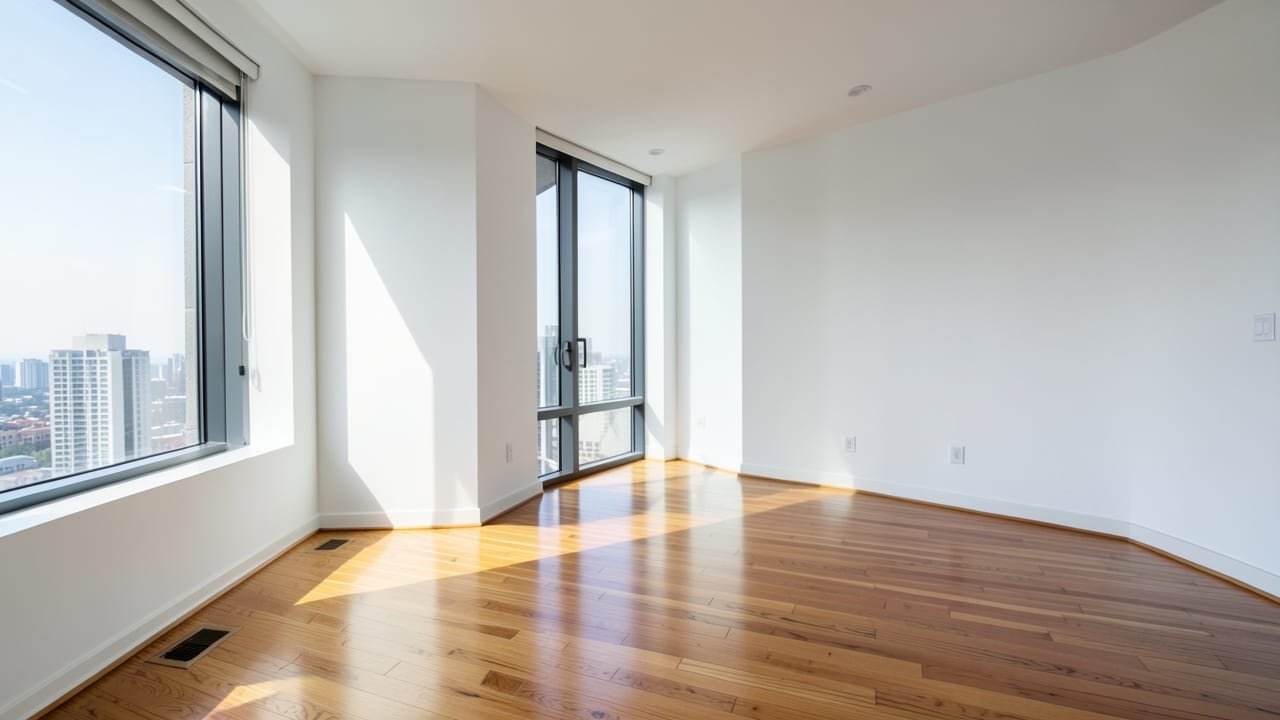
Condo Mold Remediation in Weddington, NC
Professional removal and treatment of mold in condominiums to restore safe, healthy living spaces.
Learn MoreCommon Questions About Mold Remediation in Weddington
Everything you need to know about mold remediation services in Weddington
How much does Warehouse Mold Cleanup typically cost in Weddington, NC?
Why does Weddington, NC's humidity make mold a bigger risk than in drier regions?
Is it safe to stay in the home during mold remediation?
Can small mold problems be handled without hiring anyone?
What's the actual difference between mold removal and mold remediation?
Is a final clearance test part of a typical mold remediation job?
Need Mold Remediation in Weddington?
Connect with local providers in Weddington for a detailed quote.
⏰ We answer your call • Serving all of Weddington and surrounding areas