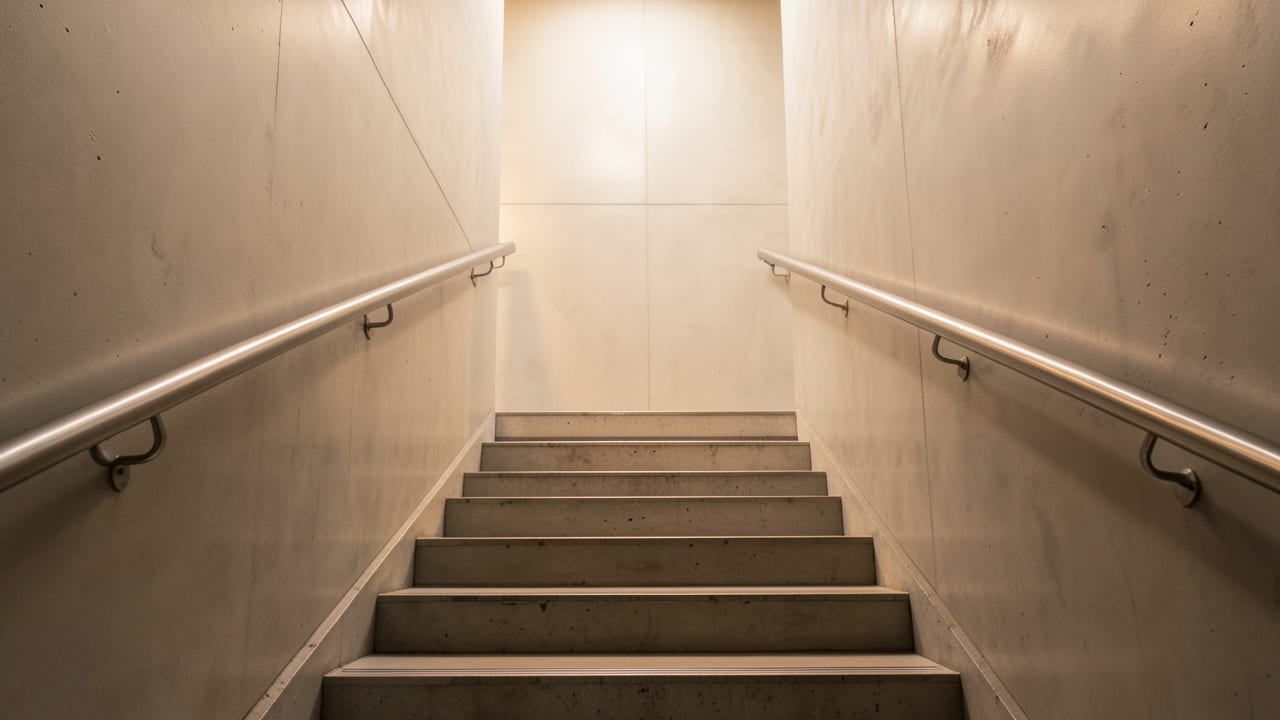
Stairwell Mold Remediation
Professional mold removal and prevention in stairwells to restore safe, clean spaces.
Stairwell mold remediation in Weddington, NC, targets hidden and visible mold growth in staircases, landings, and adjacent areas to prevent structural damage and health risks. This process involves containment, removal, HEPA filtration, and clearance testing to ensure spores are fully addressed and moisture sources are identified.
Unlike surface cleaning, remediation focuses on removing contaminated materials and treating underlying causes to minimize regrowth.
We also handle Commercial Mold Remediation and Mold Prevention & Moisture Control for Weddington properties.
When stairwell mold needs professional help
Mold in stairwells often signals deeper issues, especially when it covers more than a small patch or keeps returning after cleaning. In North Carolina, mold growth exceeding 25 contiguous square feet typically requires professional remediation, as it indicates hidden moisture or structural absorption.
Visible signs like discoloration, musty odors, or recurring growth—even after DIY attempts—are clear indicators that the problem may be beyond surface-level fixes.
Hidden mold, such as behind drywall or under carpeting, spreads through HVAC systems or damp materials, making containment and professional testing essential. A musty smell that intensifies with the HVAC running often means spores are circulating throughout the home, not just in the stairwell.
Ignoring these signs can lead to structural damage, higher remediation costs, and repeated contamination.
Signs Your Stairwell Mold Needs Remediation
- Mold covers more than a small, isolated patch (over 25 sq ft).
- Growth returns in the same spot after cleaning or treating.
- A musty odor persists even after visible mold is removed.
- The smell worsens when the HVAC system is running.
- You notice discoloration or texture changes in stairwell materials (drywall, carpet, wood).
What affects cost and timeline
The scope of stairwell mold remediation in Weddington varies based on the extent of contamination, the materials affected, and whether hidden mold or moisture sources are discovered during the process.
Surface-level mold on tile or hardwood may require less disruption than mold embedded in drywall or carpet padding, which often needs full removal. Black mold (Stachybotrys) typically increases costs by 15–25% due to stricter safety protocols and disposal requirements.
Containment, HEPA filtration, and clearance testing add time and cost but are critical to prevent spores from spreading to other areas of the home. Structural drying with industrial dehumidifiers may also extend the timeline if framing or subfloors are damp.
Always confirm whether a quote includes inspection, testing, and post-remediation verification—these steps are often priced separately and can impact the total cost.
What to expect after remediation
Once remediation is complete, the stairwell should undergo clearance testing by an independent lab to confirm spore levels are back to normal. However, regrowth often depends on addressing the moisture source—whether it’s a leak, poor ventilation, or grading issues outside the home.
Rooms prone to dampness, like windowless bathrooms or basements, may need ongoing monitoring with a small dehumidifier or fan to prevent recurrence.
Post-remediation, check humidity levels in the stairwell periodically during the first year, as early signs of regrowth are easier to treat. Outdoor factors like soil grading or downspout placement can also reintroduce moisture, so inspect these areas if the problem persists.
Without fixing the root cause, even the most thorough remediation may not prevent mold from returning.
After remediation, place a hygrometer in the stairwell to monitor humidity. Keep levels below 50% to discourage mold regrowth, and address any new dampness immediately.
How stairwell mold remediation works
- 1Containment Setup
Plastic sheeting and negative-air machines seal off the stairwell to prevent spores from escaping during removal. This step ensures airborne particles stay confined to the work area rather than spreading through hallways or ductwork.
- 2Material Removal and Treatment
Porous materials like drywall, insulation, and carpet padding—absorbed with mold—are cut out and double-bagged for disposal. Non-porous surfaces such as tile, metal, or wood framing are scrubbed with antimicrobial solutions and left in place if structurally sound.
- 3HEPA Filtration and Cleanup
HEPA air scrubbers run continuously during the job to capture airborne spores, while surfaces are vacuumed with HEPA-filtered equipment. This prevents spores from recirculating into the air, a risk with standard shop vacuums or non-HEPA filters.
- 4Structural Drying
Industrial dehumidifiers and air movers dry framing, subfloors, and hidden cavities to eliminate residual moisture. Mold cannot regrow on dry materials, so this step is critical to long-term results.
- 5Clearance Testing
An independent lab tests air or surface samples post-remediation to verify spore counts are within normal ranges. This step confirms the job is complete before containment is removed and the area is restored.
Frequently asked questions
How do I know if my stairwell mold is black mold?
Black mold often appears dark greenish-black or sooty, with a slimy texture on surfaces. It thrives in damp, poorly ventilated areas and emits a strong musty odor. If you suspect black mold, request lab testing during the inspection—visual identification alone isn’t always accurate.
Will remediation fix the musty smell in my home?
Remediation targets active mold growth, but lingering odors may persist if spores remain hidden or the moisture source isn’t addressed. HEPA filtration during the job helps, but some smells require additional air purification or ozone treatment, depending on the materials affected.
How long does stairwell mold remediation usually take?
Surface-level mold in a single stairwell typically takes 1–3 days, including containment, removal, drying, and testing. Complex jobs with hidden mold, structural repairs, or large areas may extend to a week or more, depending on drying times and lab scheduling.
Do I need to leave the house during remediation?
You may be asked to vacate the home or stay out of the stairwell during active removal to avoid inhaling spores. Containment limits exposure, but some protocols require temporary relocation for safety, especially with black mold or extensive contamination.
Where Weddington sits, and what the Census lists nearby
Weddington sits in North Carolina, and the closest places listed in the U.S. Census Gazetteer are Wesley Chapel (2.6 miles southeast), Marvin (4.9 miles west), Indian Trail (5.7 miles northeast), Waxhaw (5.9 miles south). Within 25 miles of Weddington the same source lists 43 distinct incorporated places and census-designated places.
Those figures matter for stairwell mold remediation because they are straight-line distances between Census coordinate points: road mileage between Weddington and Wesley Chapel runs longer than the 2.6 miles shown, which is why quotes for the same job differ between towns that look close together on a map.
Source: U.S. Census Bureau Gazetteer.
See Waxhaw, NC for more, or take a look at what's included in our Weddington service by service type for our complete lineup.
Ready to get started?
Talk to a local mold remediation pro in Weddington — get a written quote.
Other Mold Remediation Services in Weddington
Commercial Mold Remediation in Weddington, NC
Commercial mold inspection and remediation in Weddington, NC for offices, retail space, and multi-unit properties, scheduled around business operations.
Learn More
Mold Prevention & Moisture Control in Weddington, NC
Mold prevention and moisture control in Weddington, NC — addressing ventilation, humidity, and drainage before growth starts, not after.
Learn More
Mold & Asbestos Testing in Weddington, NC
Combined mold and asbestos testing in Weddington, NC — one inspection visit, lab-verified results for both.
Learn More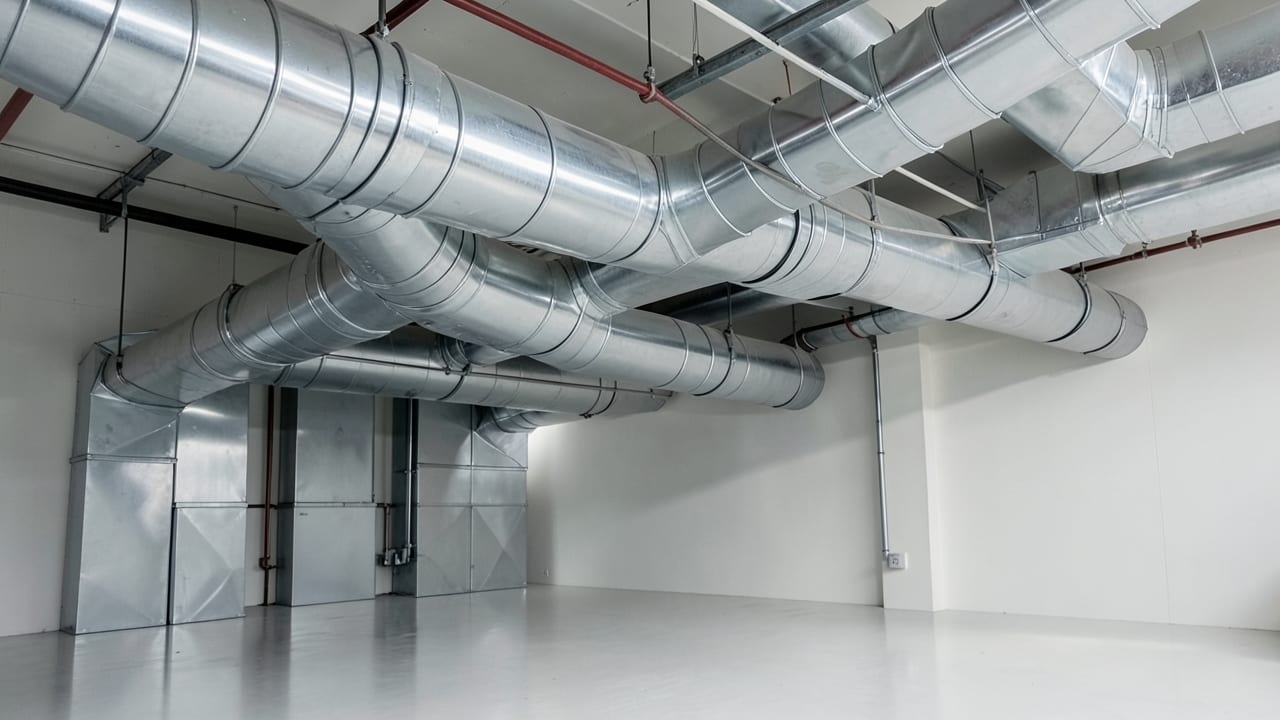
HVAC Mold Remediation in Weddington, NC
HVAC and ductwork mold remediation in Weddington, NC — mold growing inside the air handler or duct system, spreading through every vent.
Learn More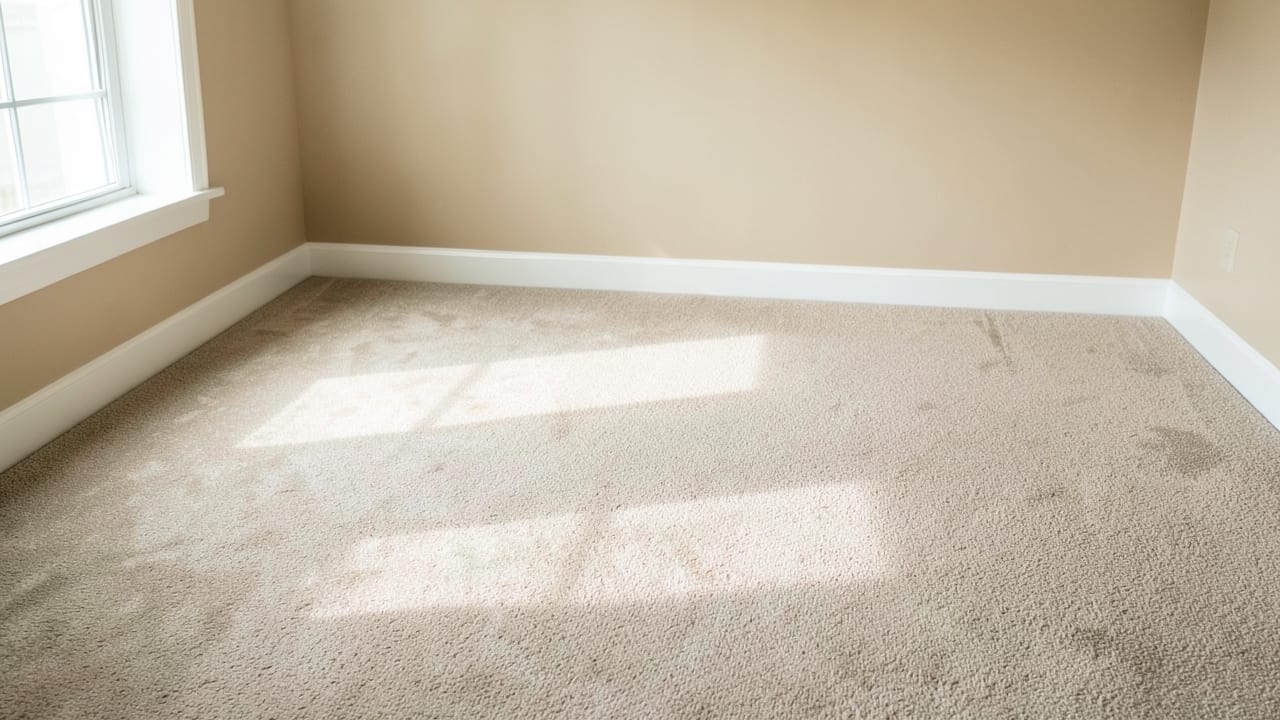
Carpet Mold Treatment in Weddington, NC
Professional assessment and removal of mold growth from carpets to restore a safe indoor environment.
Learn More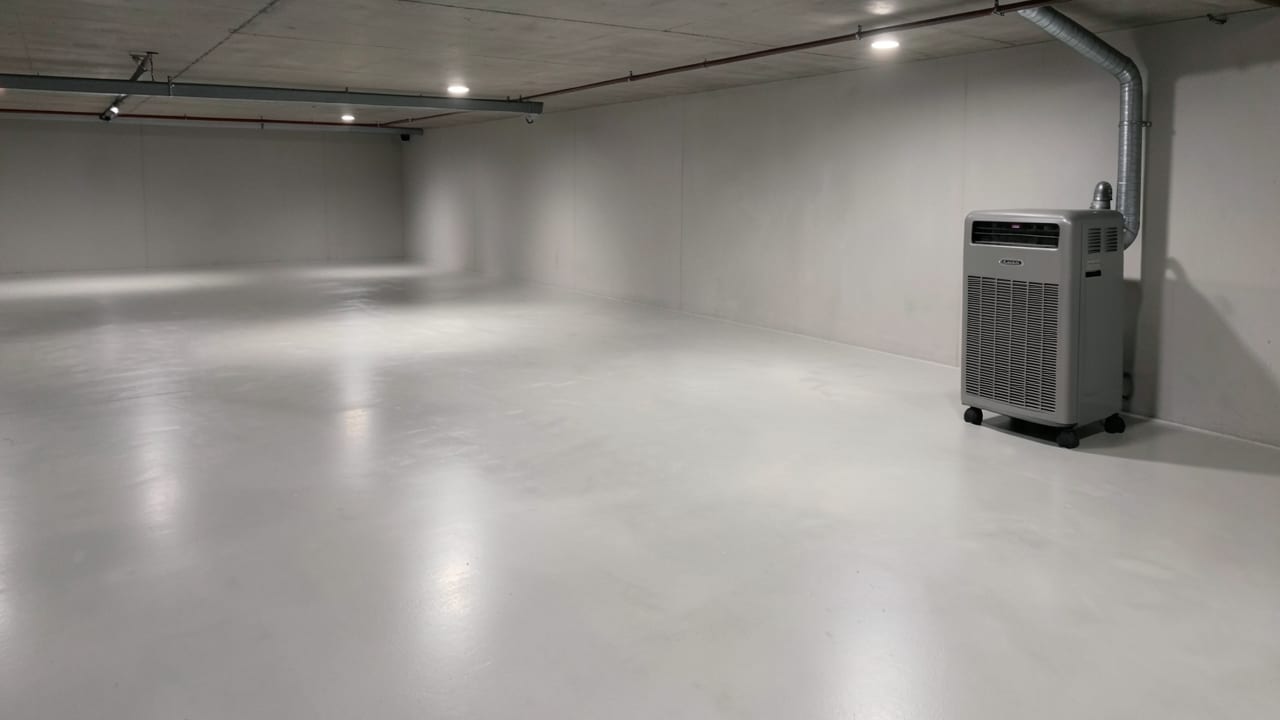
Concrete Mold Remediation in Weddington, NC
Professional removal and treatment of mold from concrete surfaces in homes.
Learn MoreCommon Questions About Mold Remediation in Weddington
Everything you need to know about mold remediation services in Weddington
How much does Stairwell Mold Remediation typically cost in Weddington, NC?
Why does Weddington, NC's humidity make mold a bigger risk than in drier regions?
Can small mold problems be handled without hiring anyone?
What's the actual difference between mold removal and mold remediation?
Is a final clearance test part of a typical mold remediation job?
How does mold remediation actually prevent the problem from coming back?
Need Mold Remediation in Weddington?
Connect with local providers in Weddington for a detailed quote.
⏰ We answer your call • Serving all of Weddington and surrounding areas