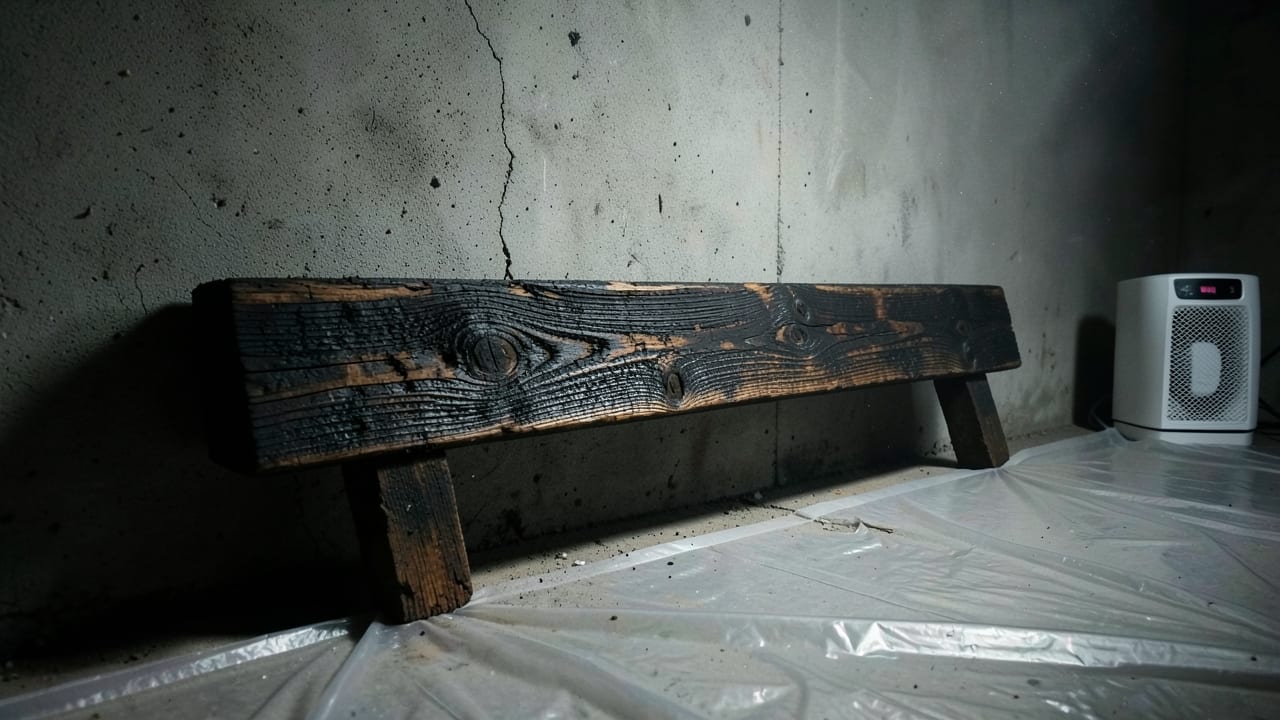
Fire Smoke Mold Remediation
Professional cleanup and restoration of fire, smoke, and mold damage in homes.
Fire, smoke, and mold damage can turn your Weddington home into an unhealthy living space if left unaddressed. Professional remediation involves deep cleaning, sanitizing, and restoring affected areas to eliminate soot, odors, and mold growth—preventing further spread and restoring safety.
Local experts use containment, HEPA filtration, and moisture control to ensure a thorough job tailored to your home’s needs.
We also handle Spring Mold Inspection and Move-In Mold Assessment for Weddington properties.
When to call for remediation
Mold growth beyond a small patch, recurring after cleaning, or hidden behind walls signals it’s time for professional help. Musty odors, especially when the HVAC runs, or damp rooms with poor airflow are red flags.
Fire or smoke damage often brings mold from firefighting water or leaks, requiring specialized cleanup to avoid long-term issues.
North Carolina treats mold covering 25+ square feet as a job for licensed contractors, but even smaller patches that keep returning need expert attention. Ignoring these signs can lead to structural damage, health risks, and higher costs later.
Signs You Need Remediation
- Mold covering more than a small, isolated patch (especially 25+ sq ft or larger).
- Musty smells with no visible mold—growth may be hidden in walls, under floors, or in ductwork.
- Recurring mold after cleaning, indicating the moisture source wasn’t fixed.
- Persistent dampness in closets, windowless bathrooms, or basements with poor airflow.
- Fire or smoke damage followed by water leaks or condensation.
What affects cost and timeline?
Pricing depends on the size of the affected area, the type of damage (soot, mold, water), and whether hidden growth is found during demolition. Fire and smoke cleanup for a single room in Weddington typically ranges from $200 to $1,190, with mold remediation added if present.
Containment, HEPA filtration, and clearance testing are often billed separately.
Timelines stretch with larger areas or structural work, like removing drywall or insulation. Jobs may take days to weeks depending on drying time, testing, and whether moisture sources need repair. Always confirm if the quote includes inspection, testing, and clearance verification—skipping these can lead to incomplete results.
What to expect during remediation
Your home will be sealed off with plastic sheeting and negative-air machines to prevent spores from spreading. Porous materials like drywall or carpet padding are removed if mold has penetrated them, while non-porous surfaces are cleaned and treated.
Industrial dehumidifiers ensure framing and subfloors dry completely before the space is reopened.
HEPA air scrubbers run continuously to capture airborne spores, and surfaces are vacuumed with HEPA-filtered tools—standard vacuums recirculate spores, worsening contamination. Clearance testing by an independent lab confirms spore levels are safe before containment is removed.
| Step | Why It Matters | What You’ll Notice |
|---|---|---|
| Containment setup | Prevents spores from spreading to unaffected areas | Plastic sheeting and fans sealing off the work zone |
| Material removal | Eliminates mold in porous items (drywall, insulation) | Crew cutting out damaged sections, bagging debris |
| HEPA filtration | Captures spores during cleanup | Continuous humming of air scrubbers in the work area |
| Structural drying | Stops mold regrowth on damp wood/framing | Dehumidifiers running until moisture levels normalize |
| Clearance testing | Verifies spores are at safe levels | Lab technician collecting air/surface samples post-remediation |
How fire, smoke, and mold remediation works
- 1Containment
The work area is sealed with plastic sheeting and negative-air machines to trap spores inside. This prevents contamination from spreading to hallways, HVAC systems, or other rooms during cleanup.
- 2Removal and Cleaning
Mold-infested porous materials (drywall, carpet padding) are cut out and bagged, while non-porous surfaces (tile, framing) are scrubbed and treated. Soot and smoke residue are cleaned with specialized solutions to eliminate odors.
- 3HEPA Filtration
HEPA air scrubbers run continuously to capture airborne spores, and surfaces are vacuumed with HEPA tools. Standard vacuums or non-HEPA filters recirculate spores, making the problem worse.
- 4Drying and Moisture Control
Industrial dehumidifiers and air movers dry framing and subfloors to normal moisture levels. Mold regrows on damp materials even after visible traces are removed, so this step is critical.
- 5Clearance Testing
An independent lab tests air and surfaces for remaining spores. Results determine whether containment can be removed and the space is safe to reoccupy.
Frequently asked questions
How do I know if my mold is bad enough to need professional remediation?
If mold covers more than 25 square feet, keeps returning after cleaning, or you notice musty smells with no visible growth, it’s time for a professional. Hidden mold in walls or ductwork often requires demolition and testing to fully address.
Will remediation fix the musty smell after a fire?
Specialized deodorization and deep cleaning target smoke odors, but lingering smells may indicate hidden mold or trapped soot. HEPA filtration and structural cleaning help, but some odors persist until moisture sources are fully addressed.
Do I need to leave my home during remediation?
It’s safest to stay elsewhere during containment and demolition, as disturbed spores can be hazardous. The crew will advise when it’s safe to return, typically after clearance testing confirms the air is clean.
How long does it take to dry everything after water damage?
Drying framing and subfloors can take days to weeks, depending on the size of the area and humidity levels. Industrial dehumidifiers run continuously until moisture readings match normal indoor levels.
Where Weddington sits, and what the Census lists nearby
Weddington sits in North Carolina, and the closest places listed in the U.S. Census Gazetteer are Wesley Chapel (2.6 miles southeast), Marvin (4.9 miles west), Indian Trail (5.7 miles northeast), Waxhaw (5.9 miles south). Within 25 miles of Weddington the same source lists 43 distinct incorporated places and census-designated places.
Those figures matter for fire smoke mold remediation because they are straight-line distances between Census coordinate points: road mileage between Weddington and Wesley Chapel runs longer than the 2.6 miles shown, which is why quotes for the same job differ between towns that look close together on a map.
Source: U.S. Census Bureau Gazetteer.
See Riverview, SC for more, or explore how our Weddington crew can help step by step for our complete lineup.
Ready to get started?
Talk to a local mold remediation pro in Weddington — get a written quote.
Other Mold Remediation Services in Weddington
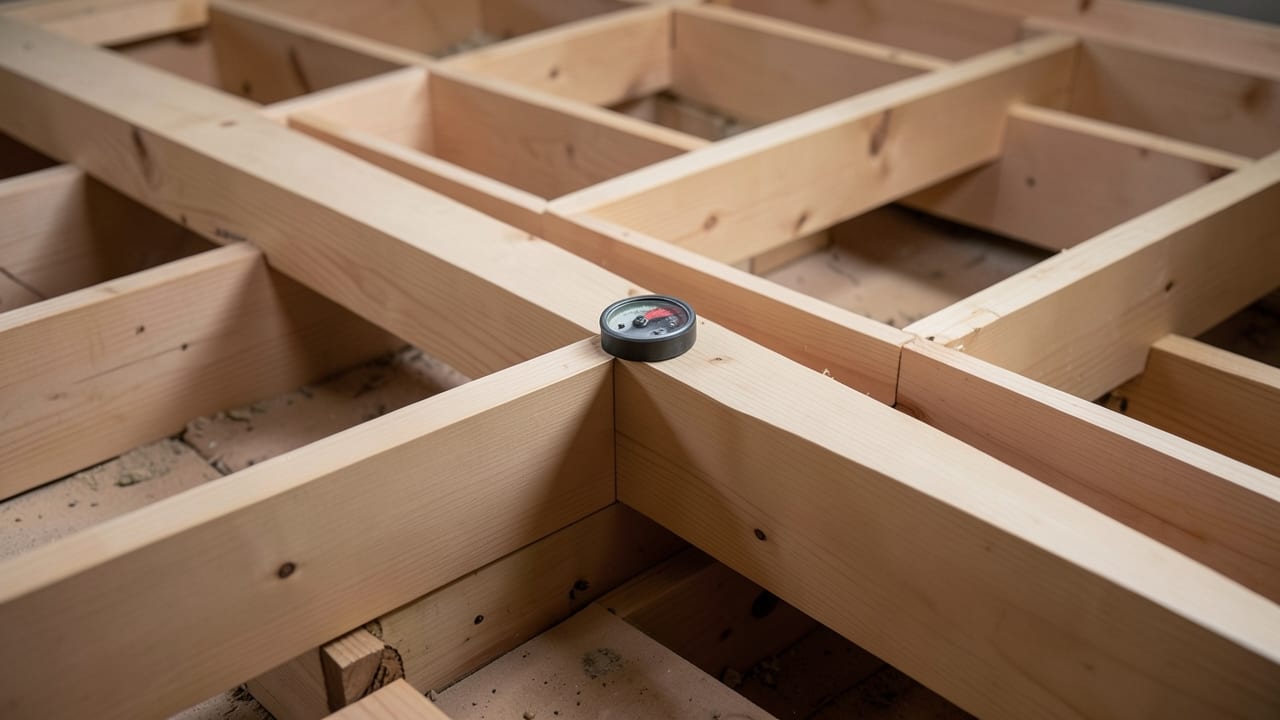
Spring Mold Inspection in Weddington, NC
Professional assessment and identification of mold growth in homes.
Learn More
Move-In Mold Assessment in Weddington, NC
Professional inspection and assessment of mold presence before moving into a property.
Learn More
Pre-Sale Mold Clearance in Weddington, NC
Pre-sale mold clearance involves inspection and testing to confirm a property is mold-free before purchase.
Learn More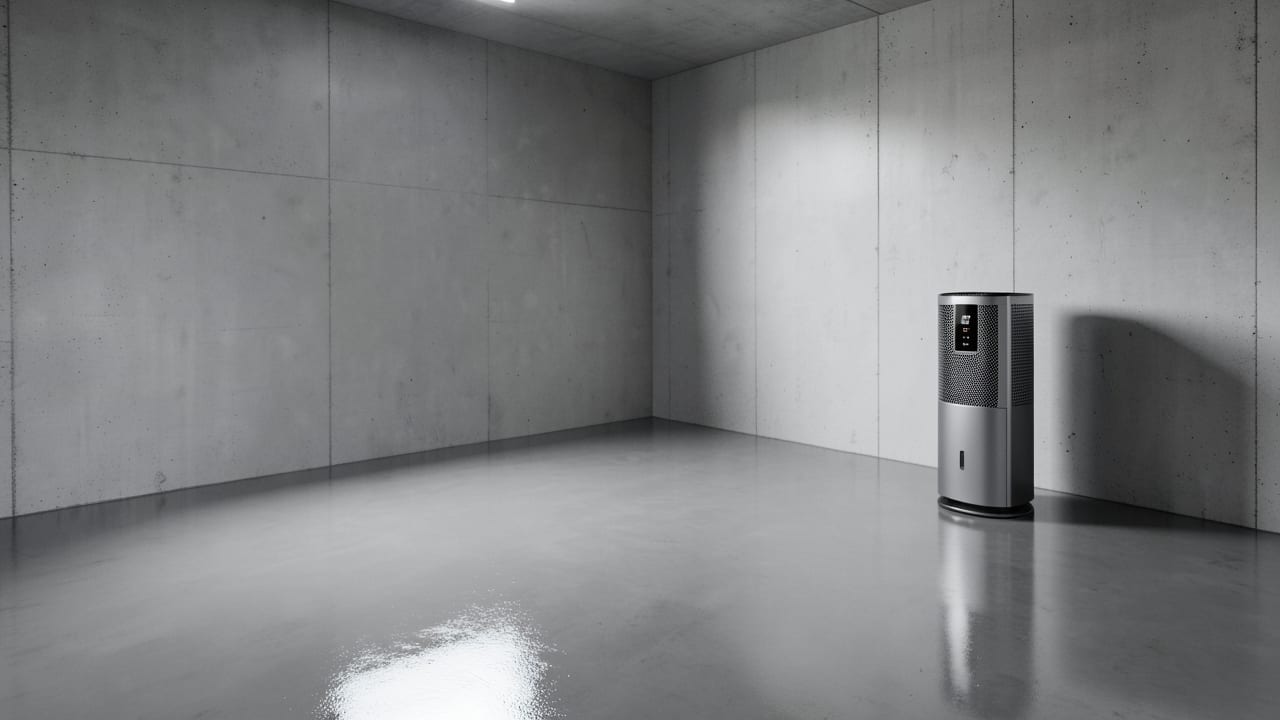
Post-Remediation Sealing in Weddington, NC
Applying protective sealants to surfaces after mold remediation to prevent future growth.
Learn More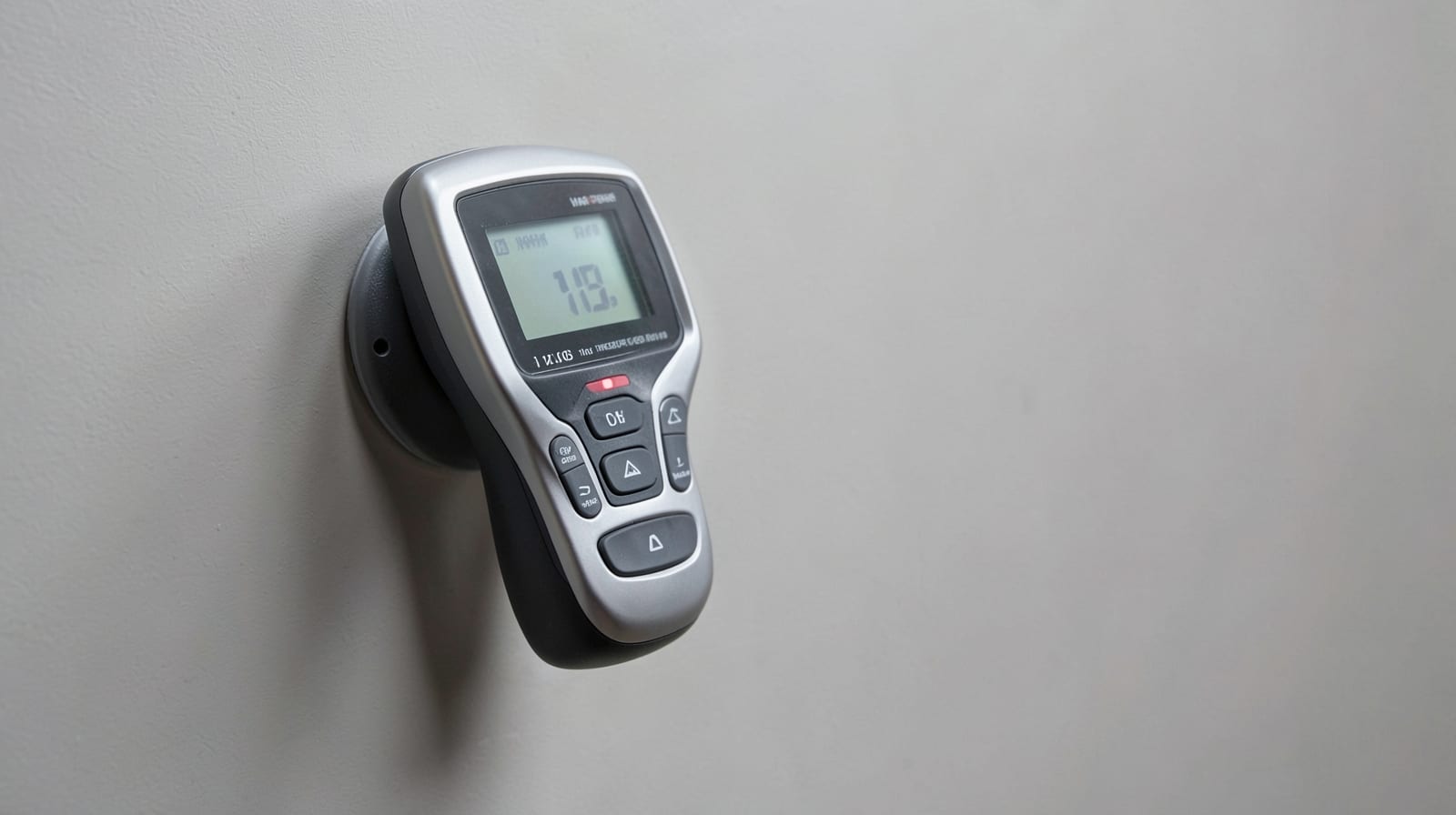
Mold Inspection in Weddington, NC
Mold inspection in Weddington, NC — a visual and moisture-meter assessment that finds the source of growth, not just the visible spot on the wall.
Learn More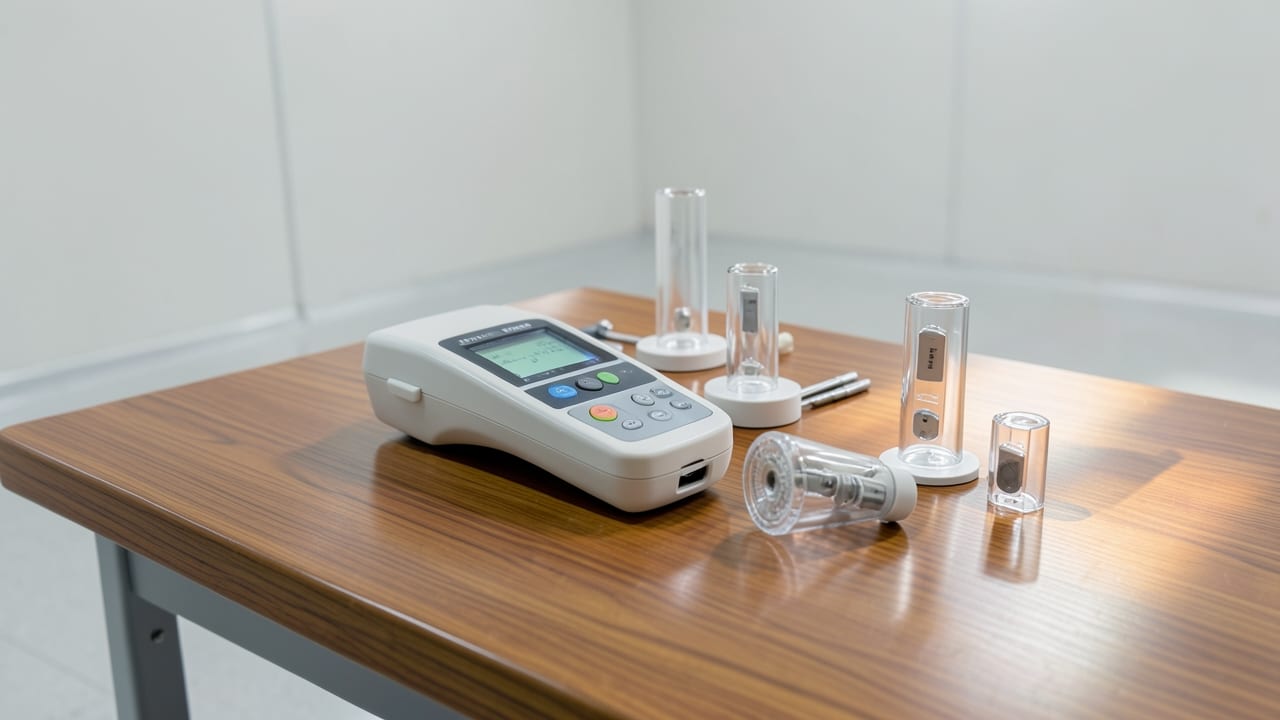
Mold Testing & Air Quality Testing in Weddington, NC
Mold and indoor air quality testing in Weddington, NC — lab-analyzed air and surface samples confirm what's actually growing and whether it's airborne.
Learn MoreCommon Questions About Mold Remediation in Weddington
Everything you need to know about mold remediation services in Weddington
How much does Fire Smoke Mold Remediation typically cost in Weddington, NC?
Why does Weddington, NC's humidity make mold a bigger risk than in drier regions?
Is it safe to stay in the home during mold remediation?
Can small mold problems be handled without hiring anyone?
What's the actual difference between mold removal and mold remediation?
Is a final clearance test part of a typical mold remediation job?
Need Mold Remediation in Weddington?
Connect with local providers in Weddington for a detailed quote.
⏰ We answer your call • Serving all of Weddington and surrounding areas